01
Co-Founder · 1959

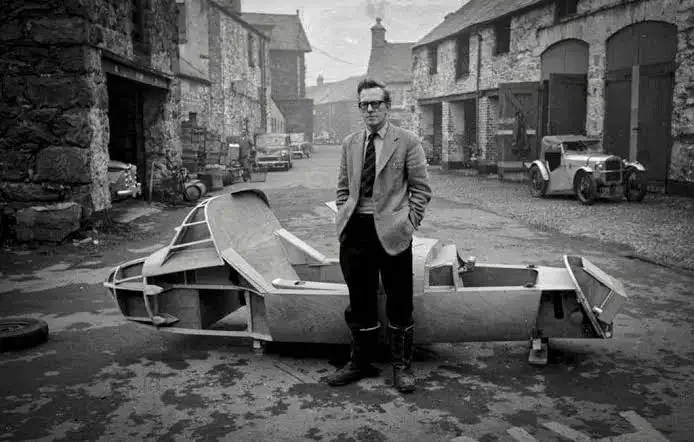
Jem Marsh

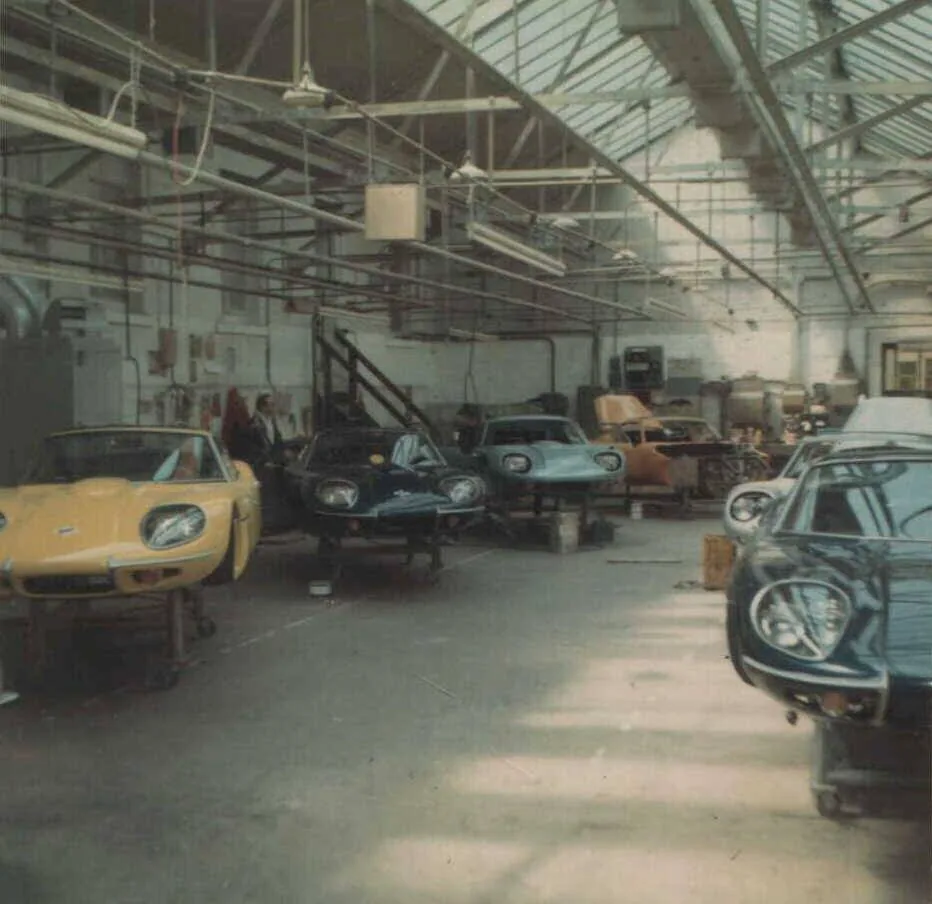
Racing driver, engineer and tireless promoter, Jem Marsh co-founded Marcos in North Wales in 1959. Across six decades and several reincarnations of the company, Marsh remained the driving force behind the marque, championing its motorsport ambitions and personally racing many of the cars he built.
02
Co-Founder · 1959

Frank Costin

Aeronautical engineer behind the de Havilland Mosquito and designer of the first Formula One championship-winning monocoque chassis, Frank Costin brought aircraft thinking to car design. His brother Mike Costin co-founded Cosworth, leaving the Costin name written across decades of British motorsport.

Every Marcos, In Order

  1. 1959

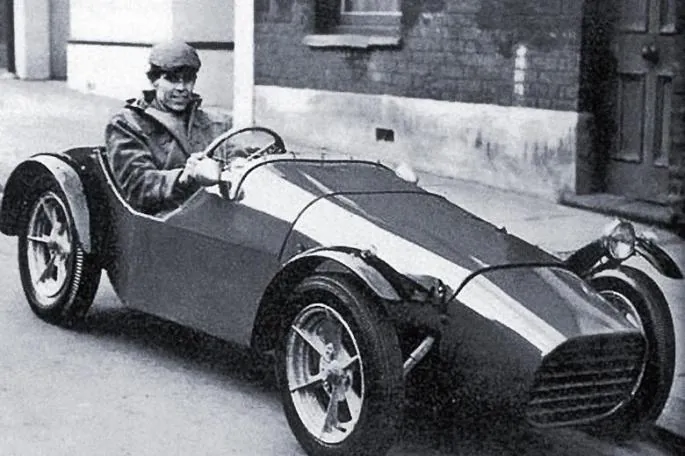
    The Flying Splinter

    The first Marcos. Frank Costin, fresh from his work on the de Havilland Mosquito, applied aircraft aerodynamics and laminated plywood construction to a sports car for the first time. Unconventional, lightweight and shockingly fast, it set the template for every Marcos that would follow.

    Costin Design Plywood Monocoque
  2. 1964

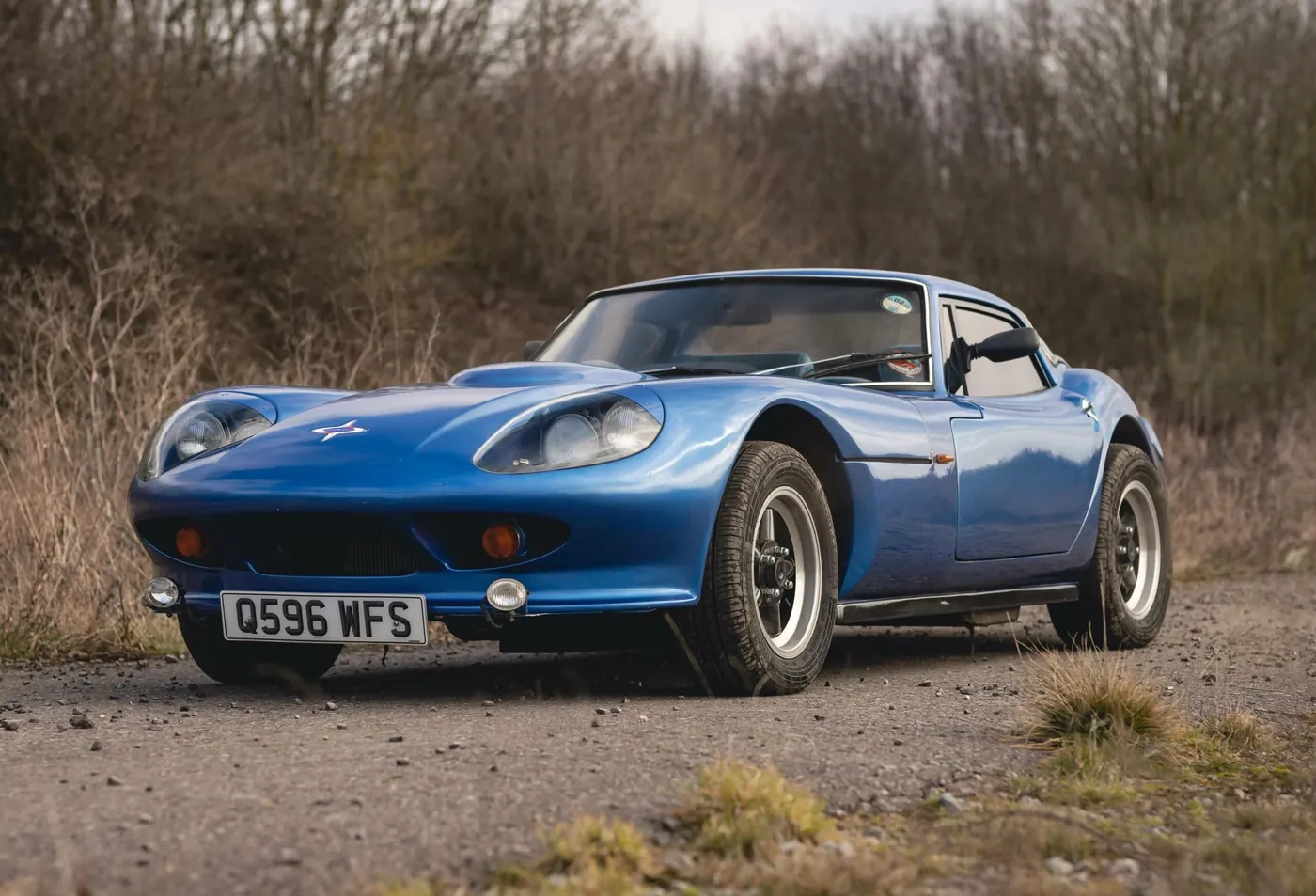
    Marcos GT (1800 GT)

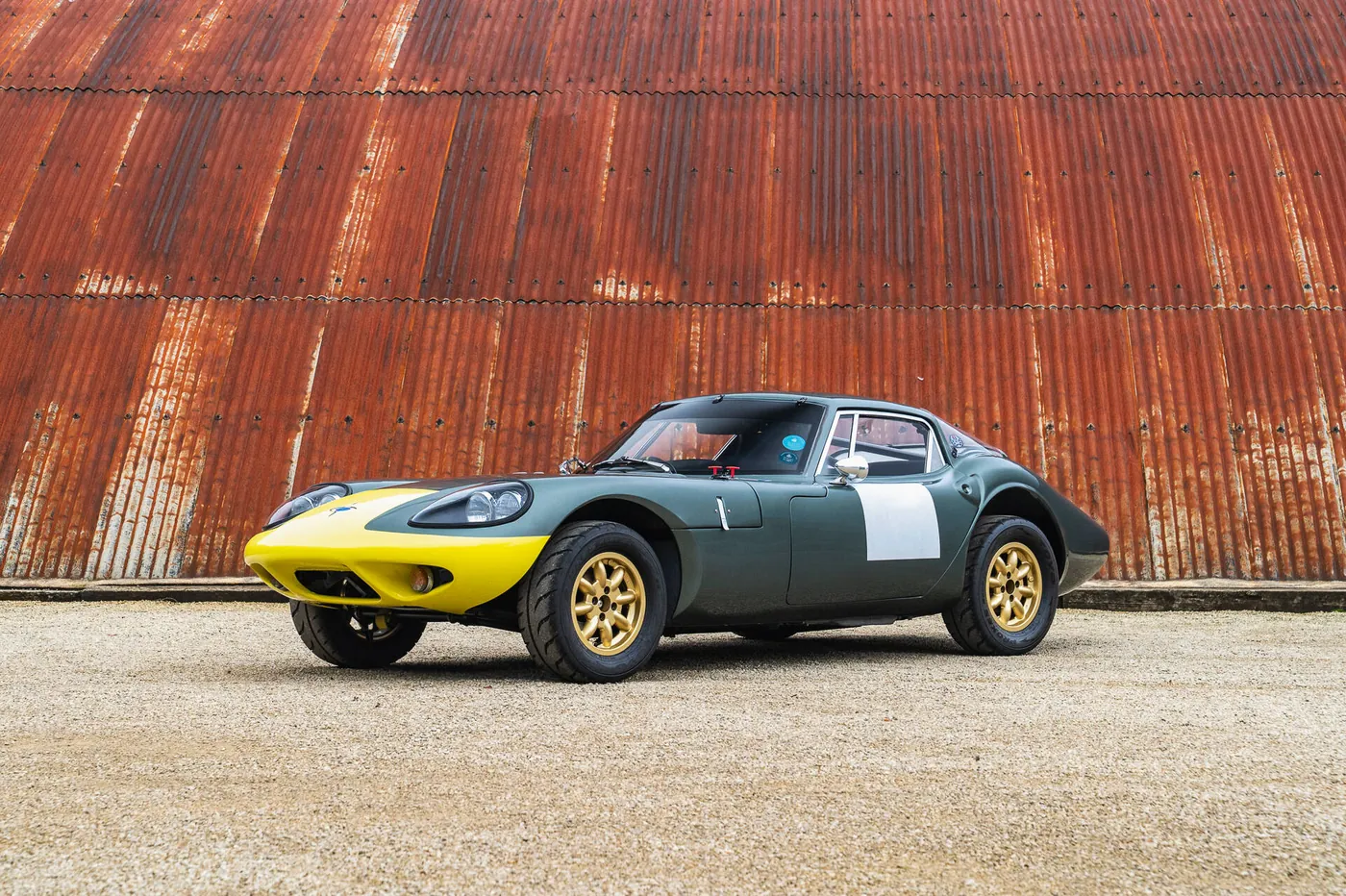
    Drawn by Dennis and Peter Adams, the 1800 GT became the marque's first true icon: a low-slung British coupé on a laminated plywood chassis with a featherlight fibreglass body and Volvo straight-four power. The shape would define Marcos for the next 40 years.

    Adams Brothers Fibreglass Body
  3. 1965

    Mini Marcos

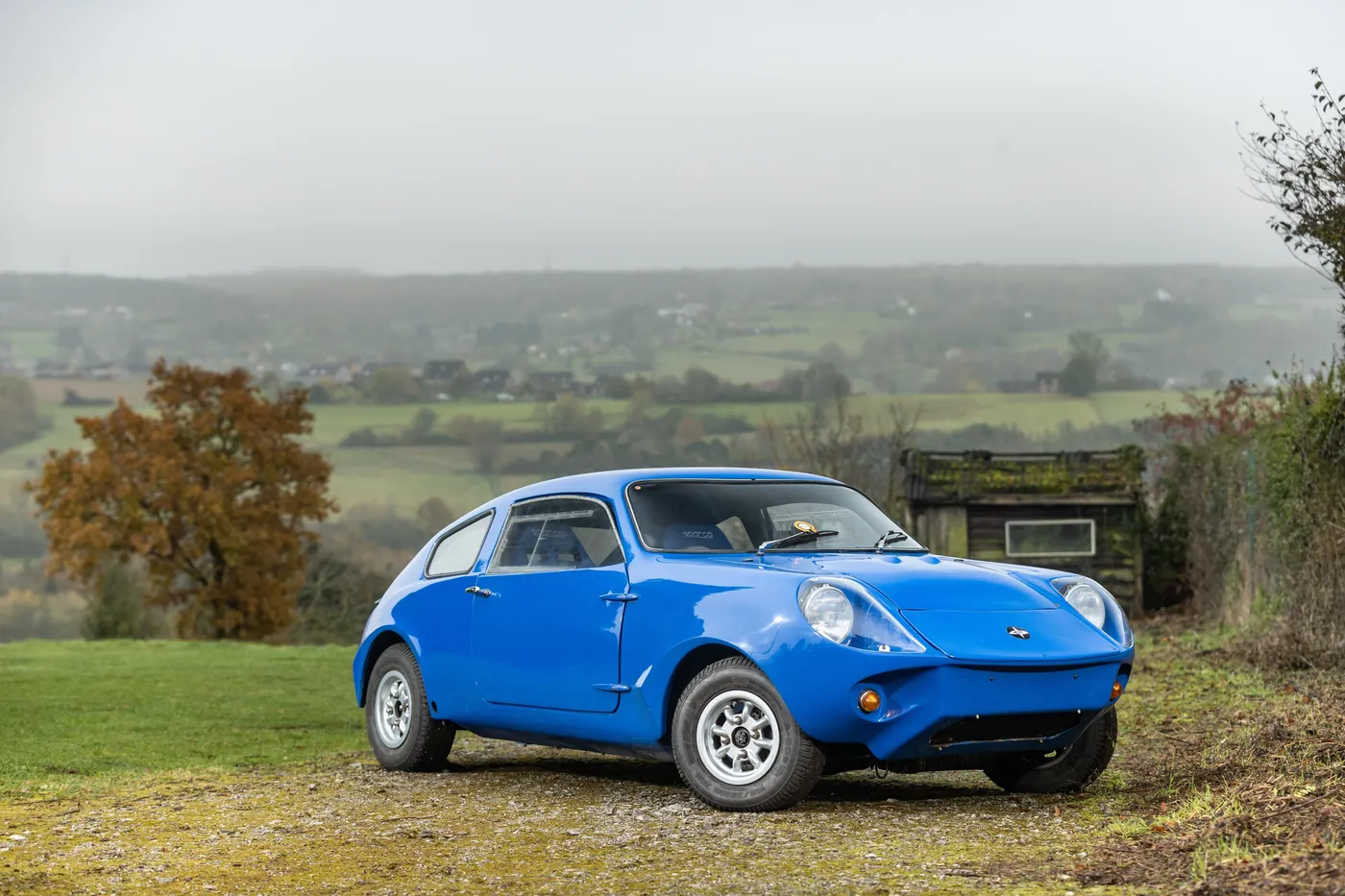
    A fibreglass monocoque sports car powered by Mini A-series running gear, sold as a kit. Engineered for road and track, the Mini Marcos punched far above its weight, taking a class finish at the 1966 Le Mans 24 Hours, the only British car to do so that year.

    Le Mans Class Finish Mini A-Series
  4. 1968

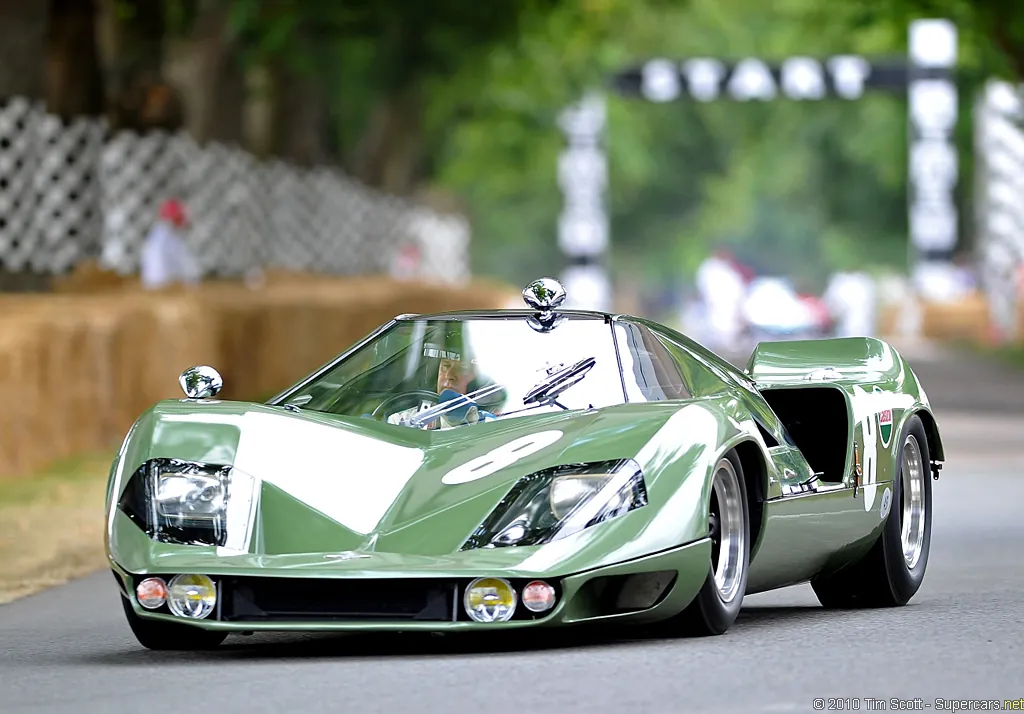
    Mantis XP

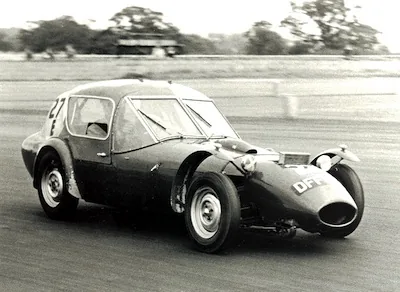
    A one-off experimental endurance racer powered by a BRM V8. The Mantis XP was Marcos at its most ambitious: a Goodwood crowd-stopper whose silhouette would echo through everything the company built afterwards.

    BRM V8 Endurance Prototype
  5. 1970

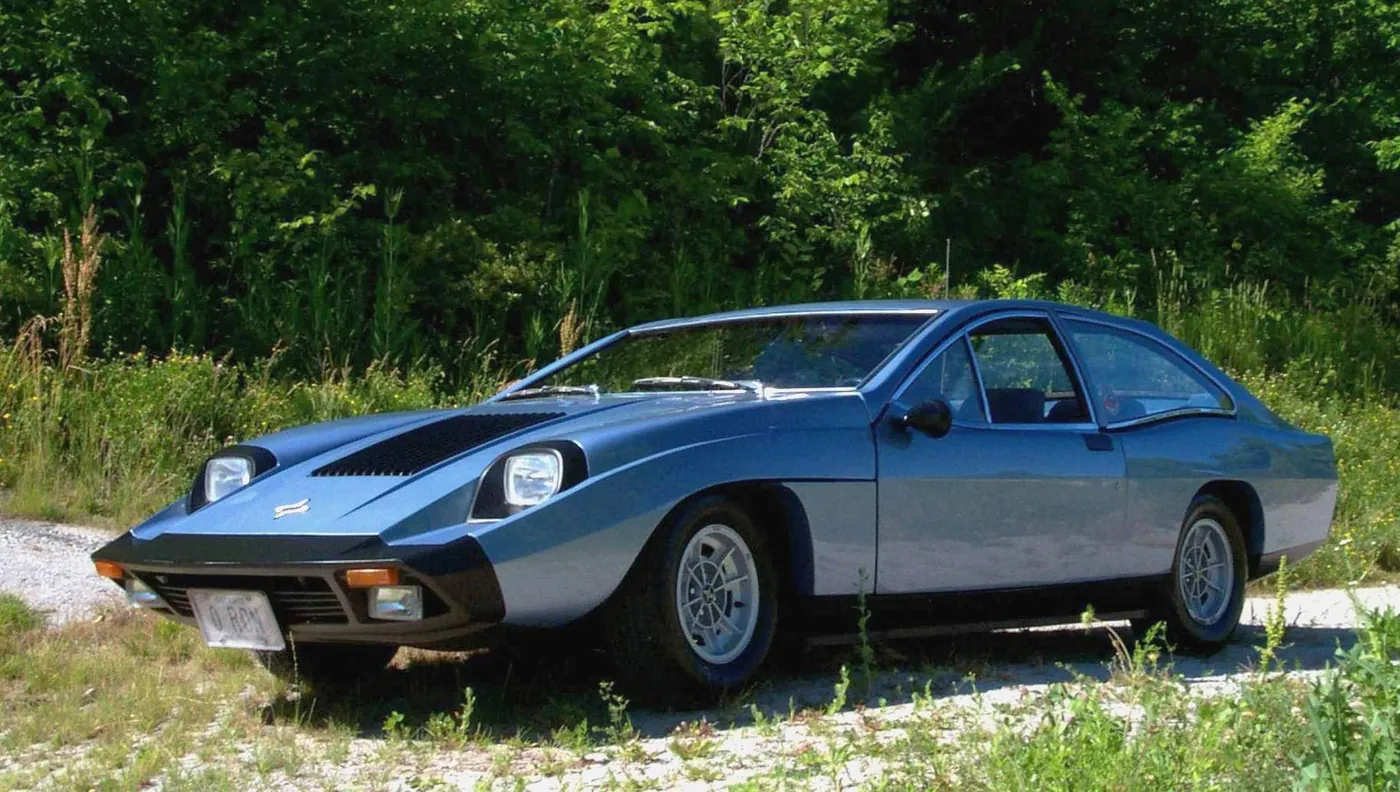
    Mantis M70

    A bold 2+2 grand tourer with Triumph straight-six power. Only 32 were built before the original Marcos Engineering folded, making the M70 one of the rarest production Marcos models ever made.

    Triumph I6 32 Built
  6. 1983

    Mantula

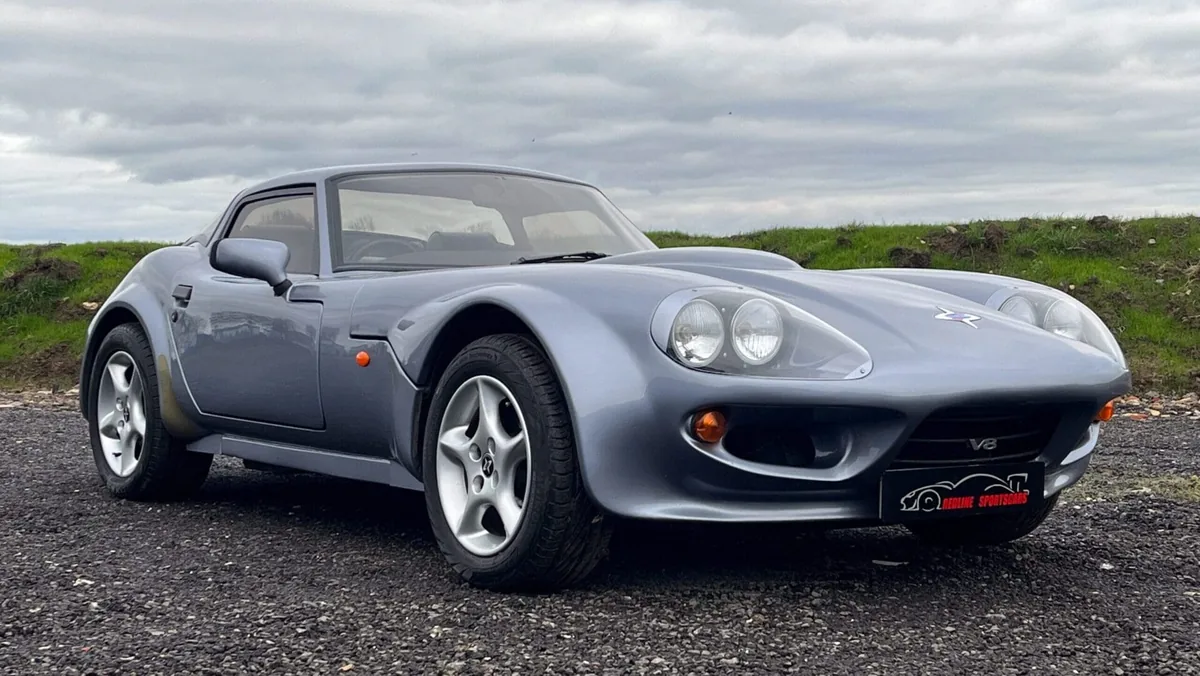
    A major modernisation of the GT formula. Marcos kept the signature fibreglass body but introduced an upgraded steel chassis, fresh suspension geometry and Rover V8 power, laying the foundation for the high-performance Marcos cars of the 1990s.

    Rover V8 Steel Chassis
  7. 1993

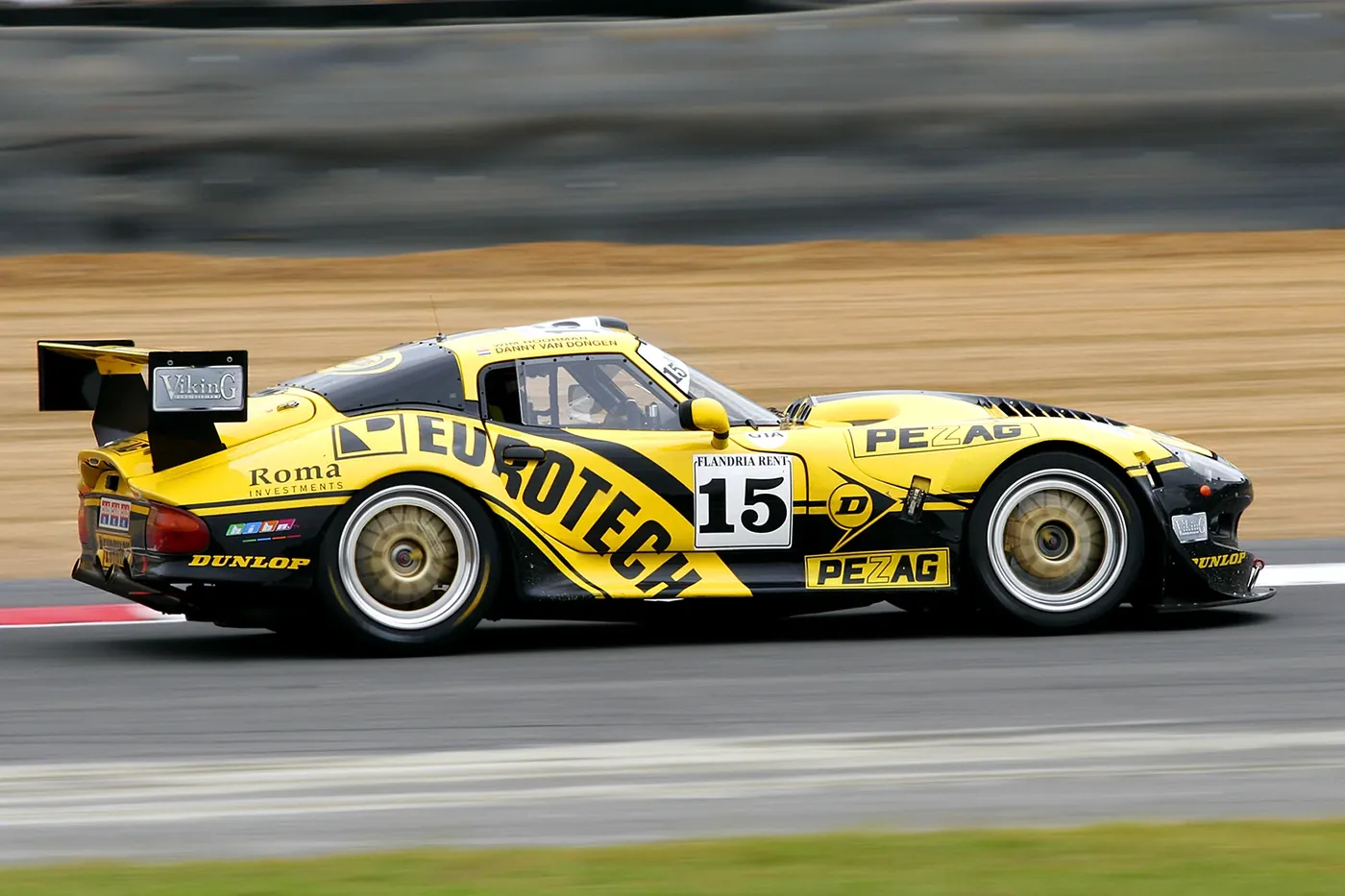
    LM500 · LM600

    Built for GT2-class racing on the Mantara platform, the LM-series carried Marcos to Le Mans. Flared arches, race-bred aero and stripped-down interiors made them as fast on the road as they were on the circuit. The LM600 added a Chevrolet 5.7-litre LT1 V8 for road-legal supercar pace.

    Le Mans GT2 Chevrolet V8
  8. 1997

    Mantis Road Car

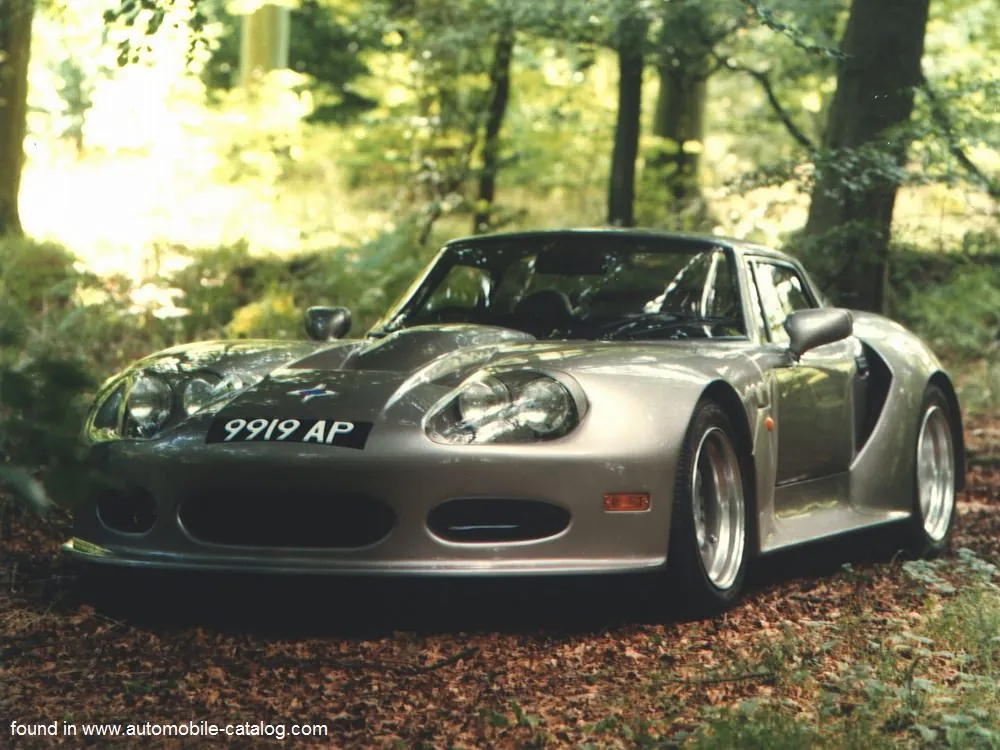
    A street-legal version of the V8-powered Mantis Challenge racer. Lightweight, raucous and produced in very limited numbers, the Mantis road car carried the racer's DNA onto the public road.

    Limited Run Track-Bred V8
  9. 2007

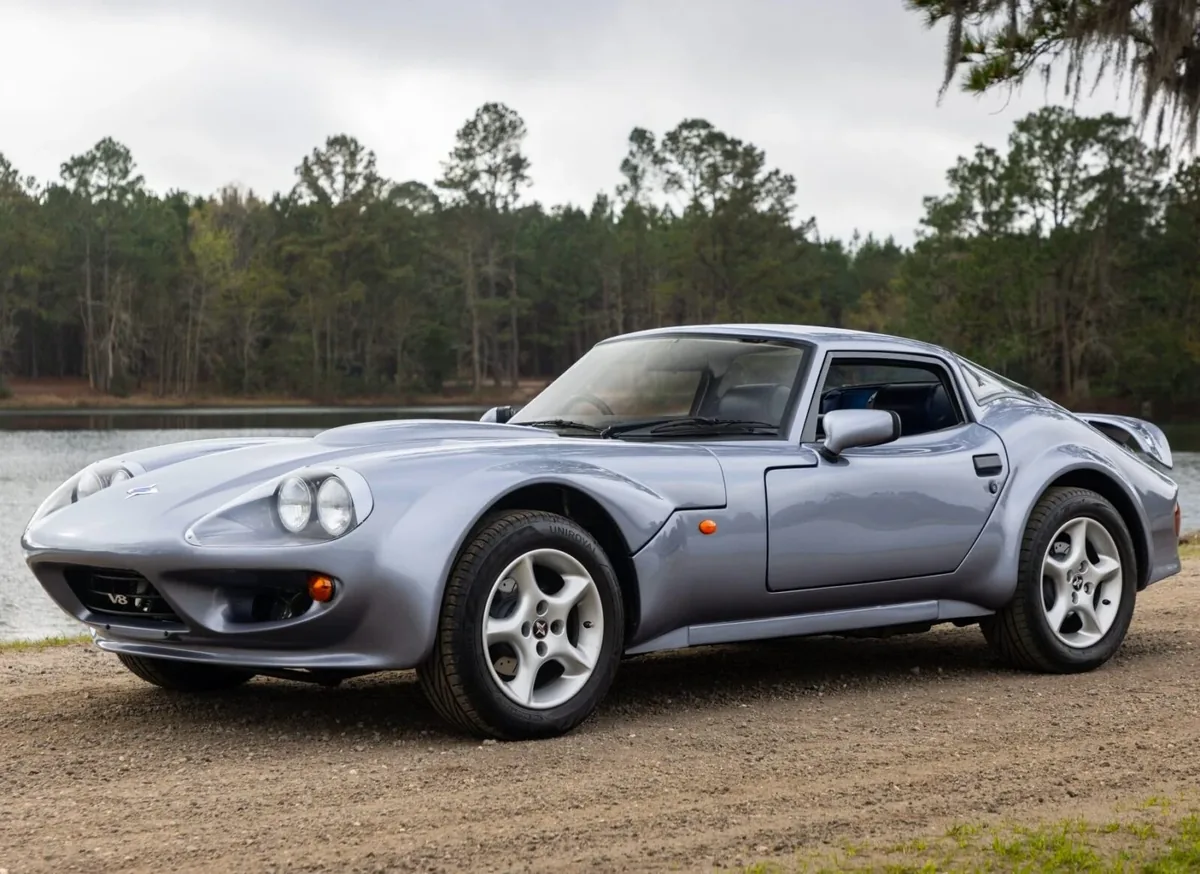
    TSO GT

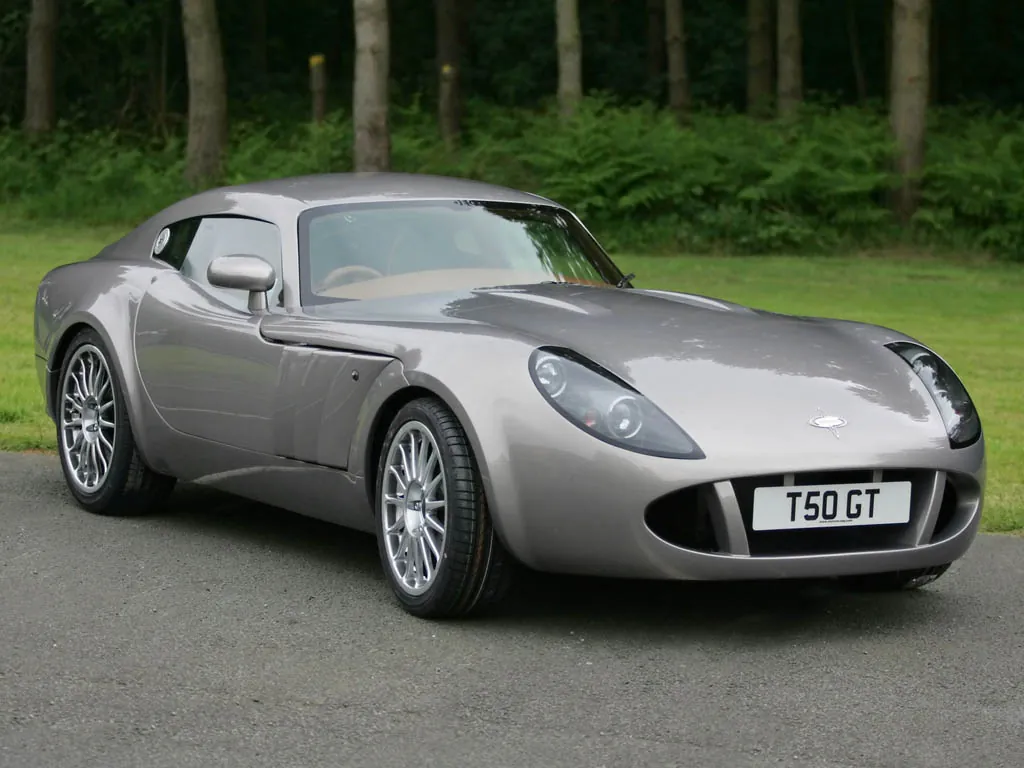
    The last production Marcos before the brand's pause. Developed under Tony Stelliga with Damian McTaggart (formerly of TVR) leading design, the TSO GT housed a 6.0-litre aluminium V8 and was tested by Richard Hammond on Top Gear. On launch it was considered a rival to the leading sports cars of its era.

    6.0L V8 McTaggart Design Top Gear Tested
  10. 2026

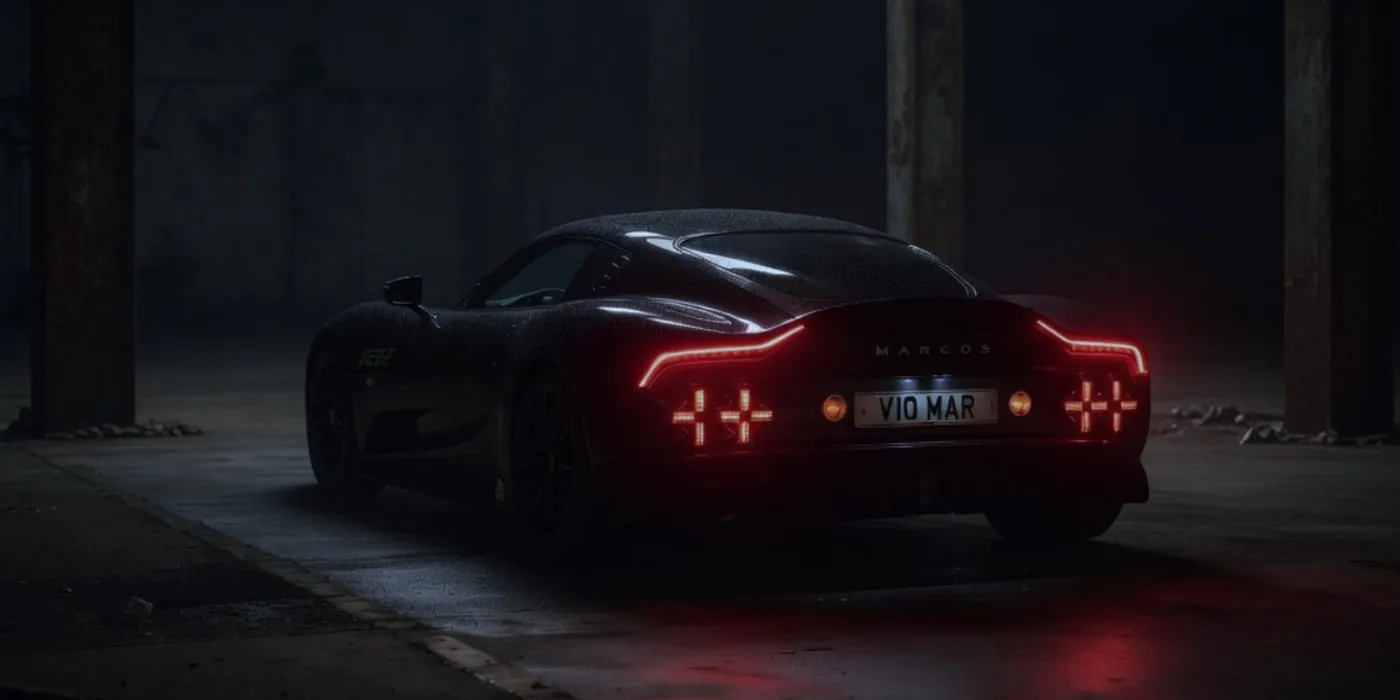
    Manticore

    The return. A mid-engined prototype supercar: lightweight, F1-derived, British designed, owned and built, and the start of the next chapter for Marcos. Set to be unveiled in Milford Haven, Wales.

    Mid-Engine F1-Derived Spring 2026

The Next Chapter Begins

Sixty-six years of British engineering history are about to be written forward. Be there for the Manticore reveal.